
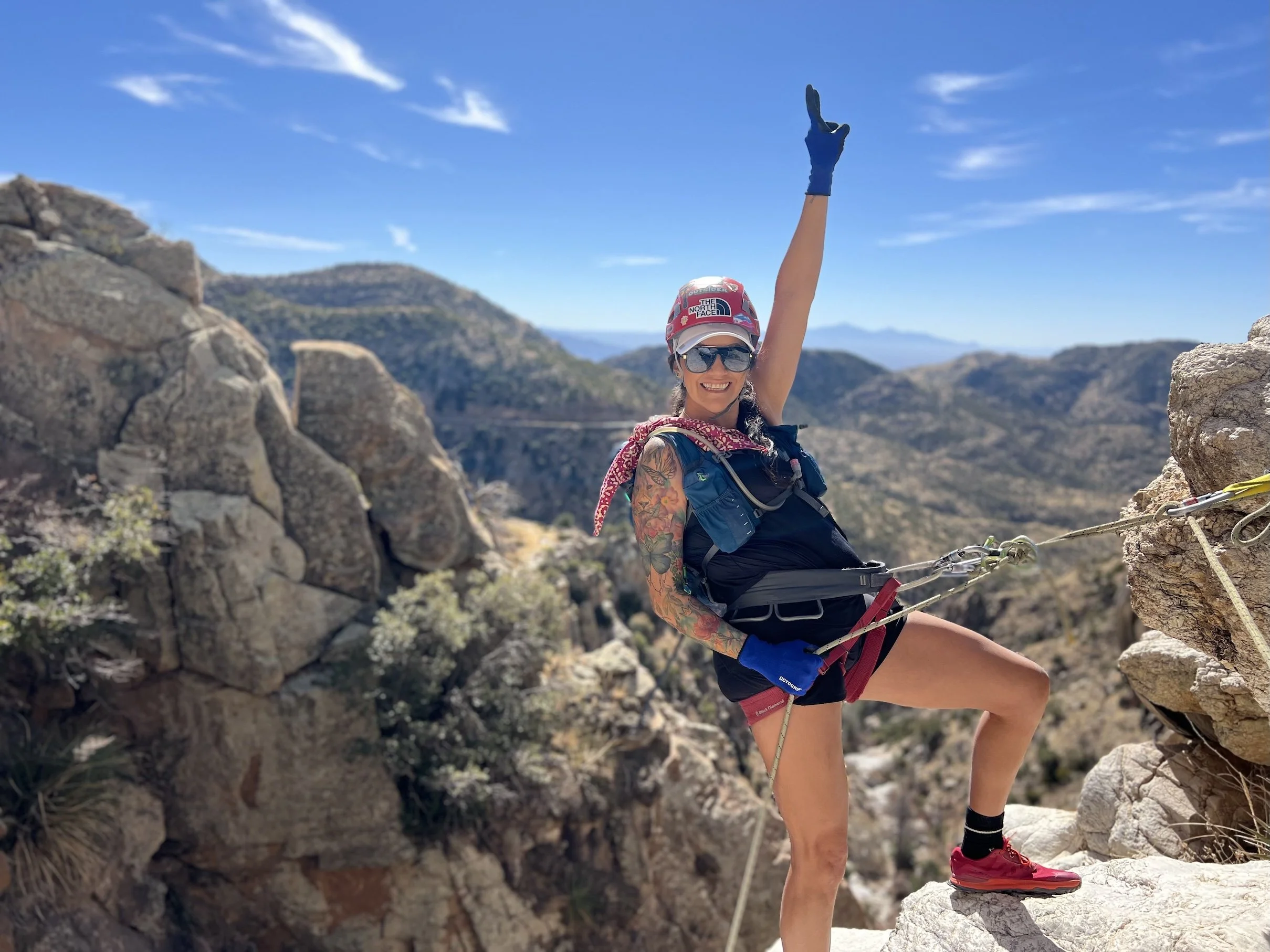
Leadership Development in the Mountains
Experiential rappelling and mountain-based programs designed to support executive coaching, leadership development, and team growth.
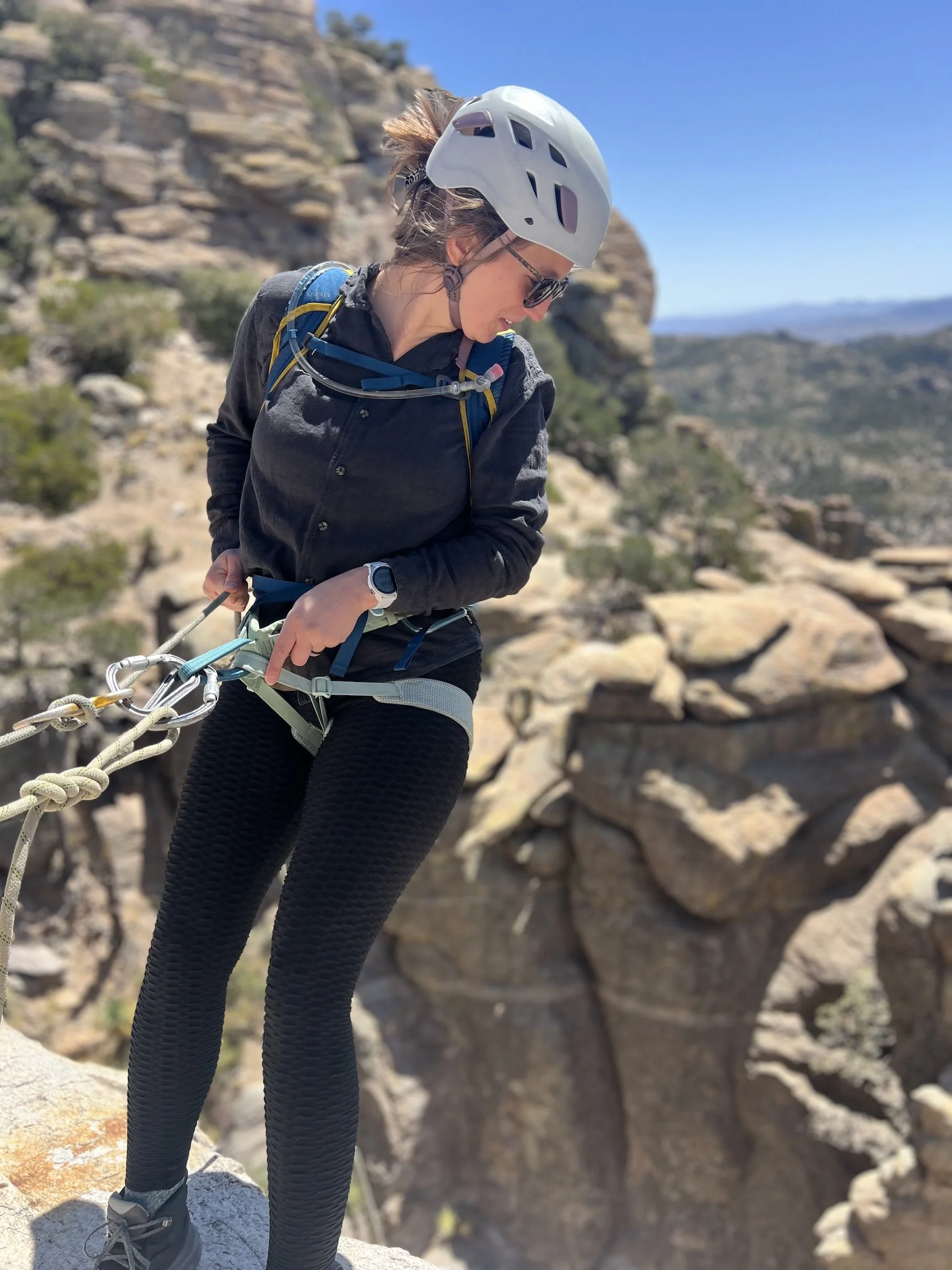
Leadership Development Experiences
Rappelling gives coaches and their clients a setting where pressure, uncertainty, trust, decision-making, and commitment can be experienced rather than discussed.

Altitude Mountain Guides works alongside executive coaches to design and facilitate mountain experiences that support the coaching work already underway.
Why take coaching into the mountains?
Leadership coaching is often reflective by nature. Clients talk about how they respond to uncertainty, how they make decisions, how they communicate under pressure, and where they tend to hold back or over-control.
A mountain environment gives them a chance to experience some of those same dynamics in real time.
Rappelling creates a strong break from the normal coaching environment. Reactions, tendencies and habits can become easier to notice. A client who is highly practiced at talking about uncertainty may respond very differently when they are standing at the edge of a rappel.
We’ve worked with dozens of professional leaders to provide a setting where consequence, uncertainty, and attention are more immediate.
This experience creates something concrete for the coach and client to work with.
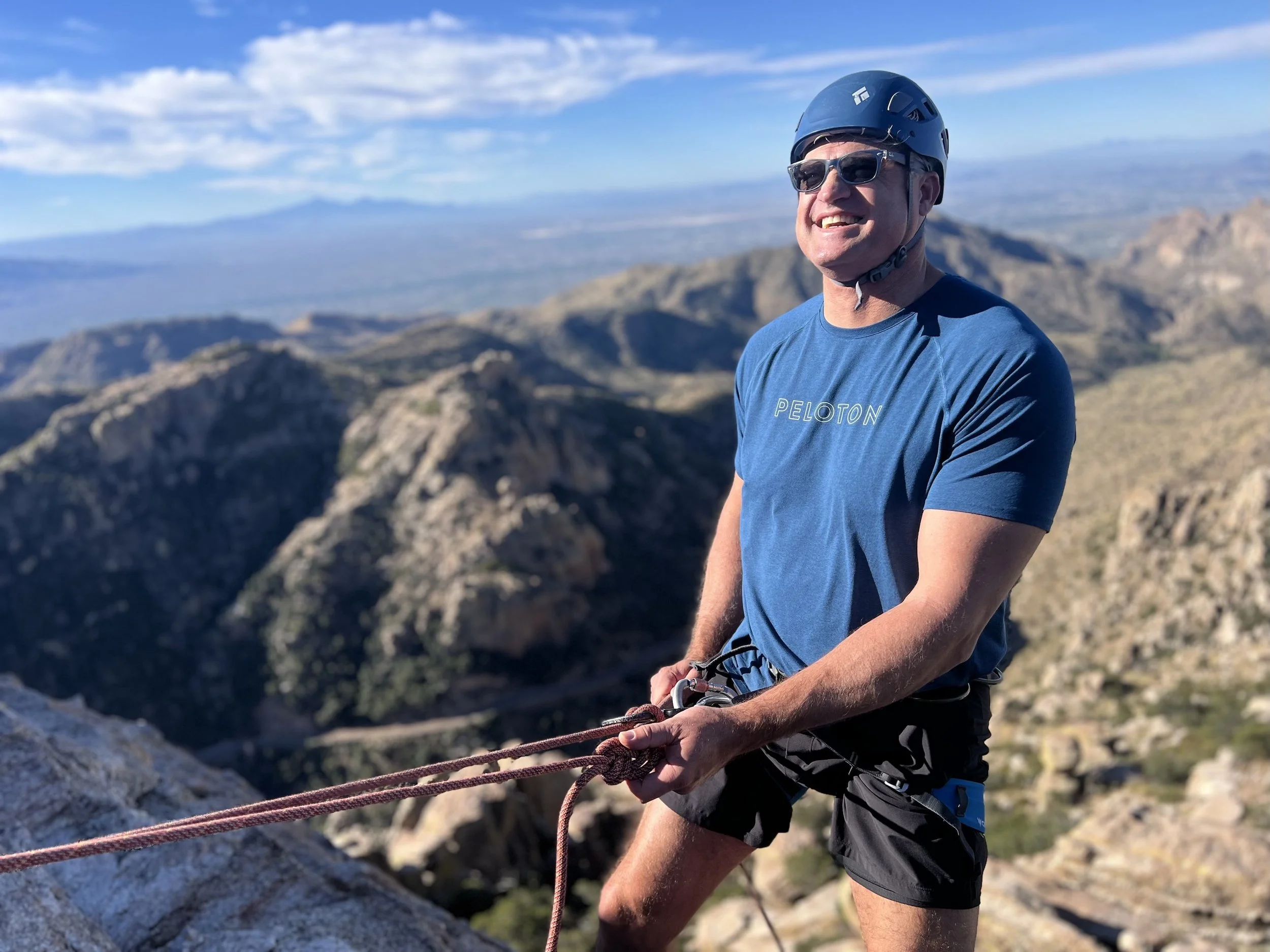
Foundational Concepts
Commitment
There is a clear moment in rappelling when preparation ends and action begins. We call this moment the Edge Transition. It is a perfect setting to delve into the concepts of commitment and decisiveness. Once the plan is made, the techniques have been discussed, and the safety checks completed, there is a clear moment of commitment to lean back over the edge.
Until one is committed, there is hesitancy and the chance to draw back. To commit is to create a moment of truth. A clear distinction between the time of weighing your options, and the decisive moment of choice. The transition must be abrupt and definitive.
Working with Fear and Uncertainty
Rappelling produces a response that is real, even when the technical systems managing the activity are understood. This creates an opportunity to look closely at fear and uncertainty.
What is the actual hazard? What safeguards are in place? What remains uncertain? And what is the mind adding to the situation?
The goal is not to suppress fear. Rational concerns need attention. Less rational fears may need to be understood, regulated, and moved through.
For leaders who regularly make decisions without complete information, that distinction can be especially useful.
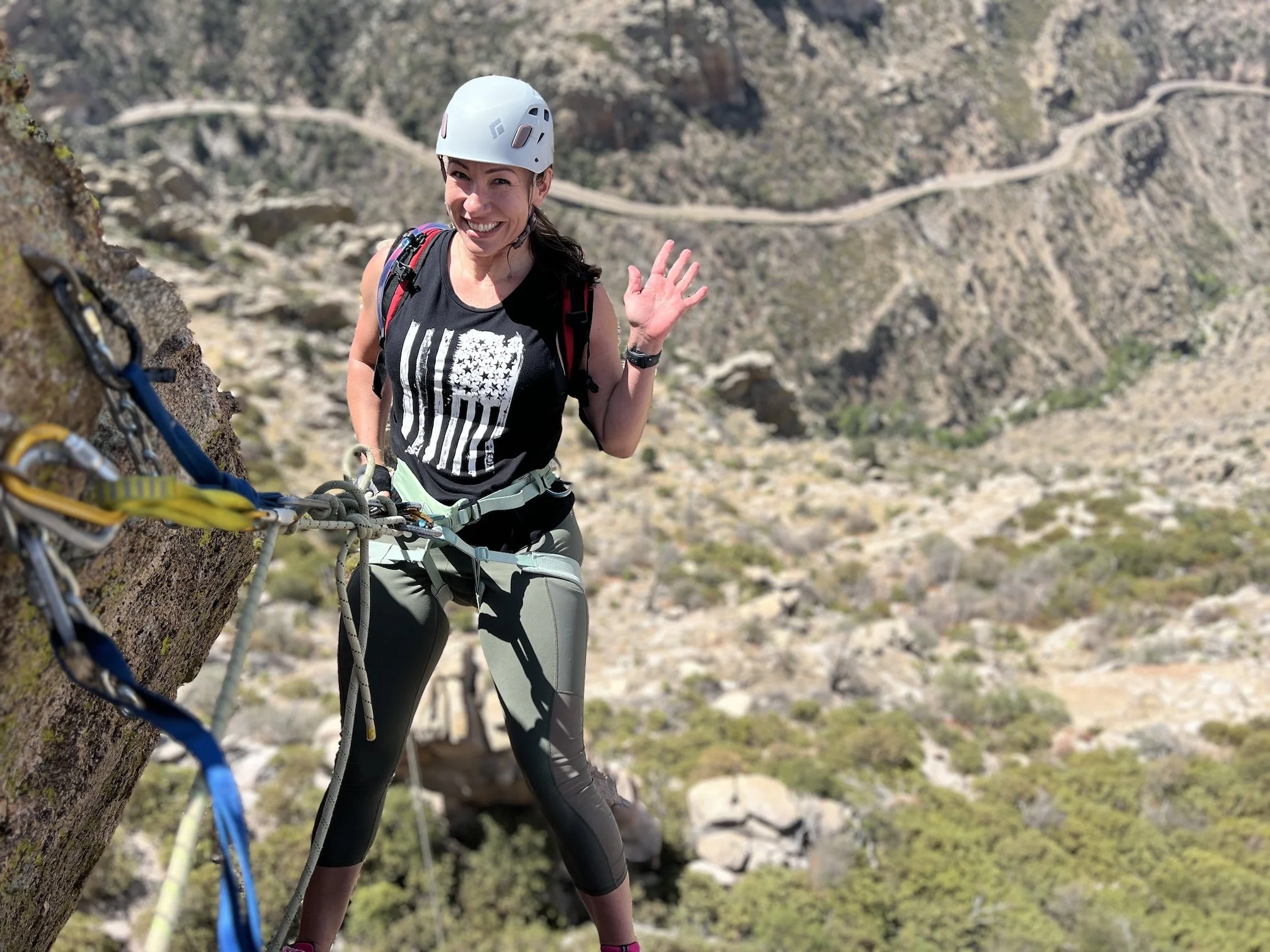
Foundational Concepts Cont.
Regulation Under Pressure
It is critical to have tools to regulate emotions during periods of stress, fear, excitement and other heightened emotional states. As pressure increases, clients are encouraged to slow down enough to breathe, take in information, and act deliberately.
We work with simple physical tools such as breathing, posture, balance, and visual attention. A hunched posture will be corrected to a confident, open stance. We direct clients to consciously smooth out their breathing, and soften their gaze in order to help keep the mind quiet and receptive.
Because these tools are being used while the pressure is actually present, the effect can be felt immediately rather than discussed in the abstract.
Control
People new to rappelling often grip the rope harder than necessary.
It feels more secure, but it also creates tension and fatigue. It is wasted energy and effort.
Learning to loosen that grip while still maintaining control is a small but immediate lesson in using the right amount of effort for the situation.
For a coach, it can open a much larger conversation about where a client may be overcontrolling, overworking, or holding too tightly to an outcome because doing so feels safer.
All trips are private and customized around your group’s experience, goals, and comfort level. We provide the climbing equipment and choose an area on Mount Lemmon that fits the season and conditions.Choose Your Climbing Trip
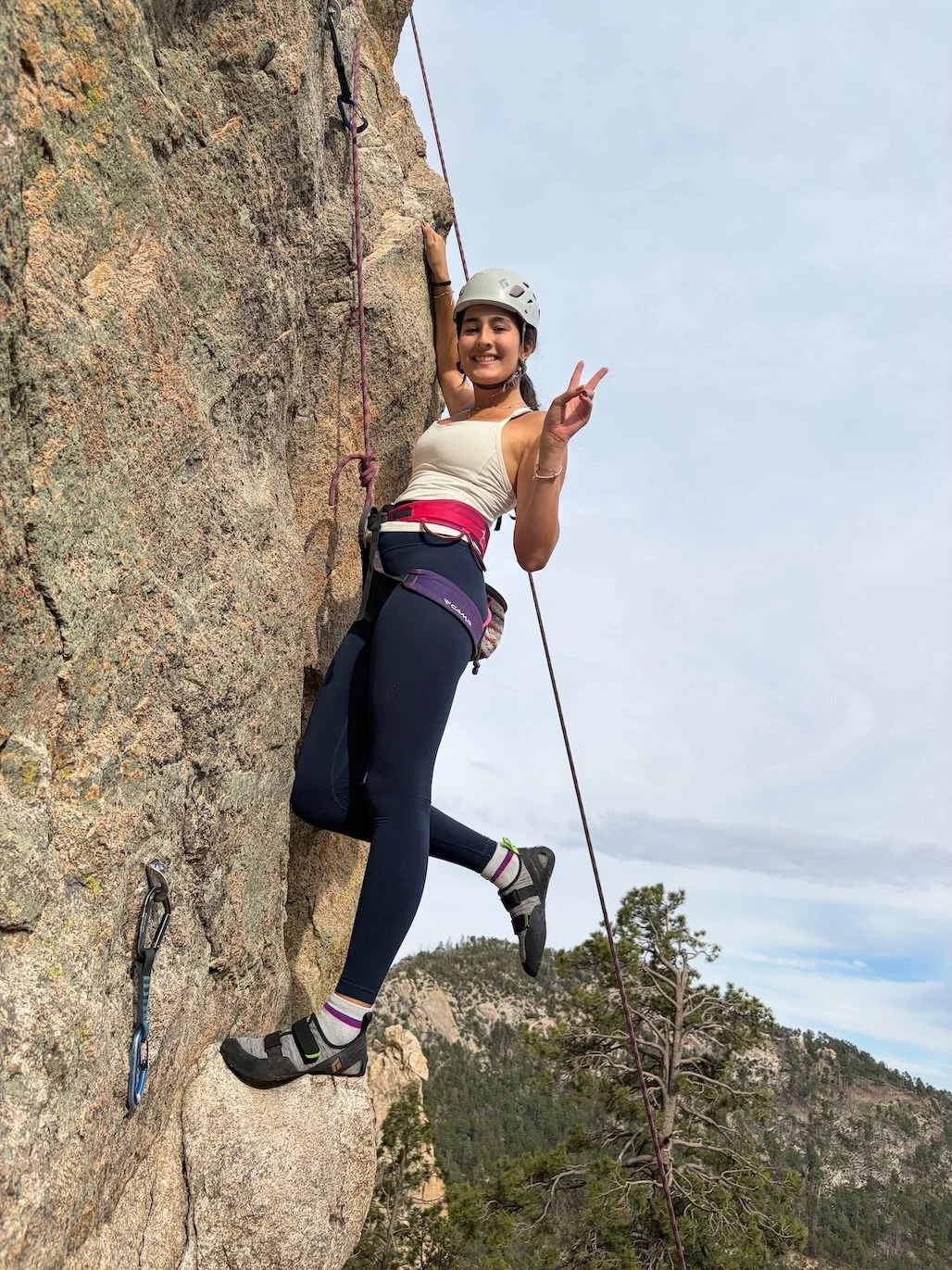
Half-Day Rock Climbing
A half-day trip is a great introduction to outdoor climbing and a good fit for families, first-time climbers, and visitors with limited time in Tucson. You’ll have enough time to learn the basics, get comfortable on the rock, and complete several climbs without committing your entire day.Approximately four to five hours
Starting at $173 per person
Private groups of one to ten
All technical climbing equipment included
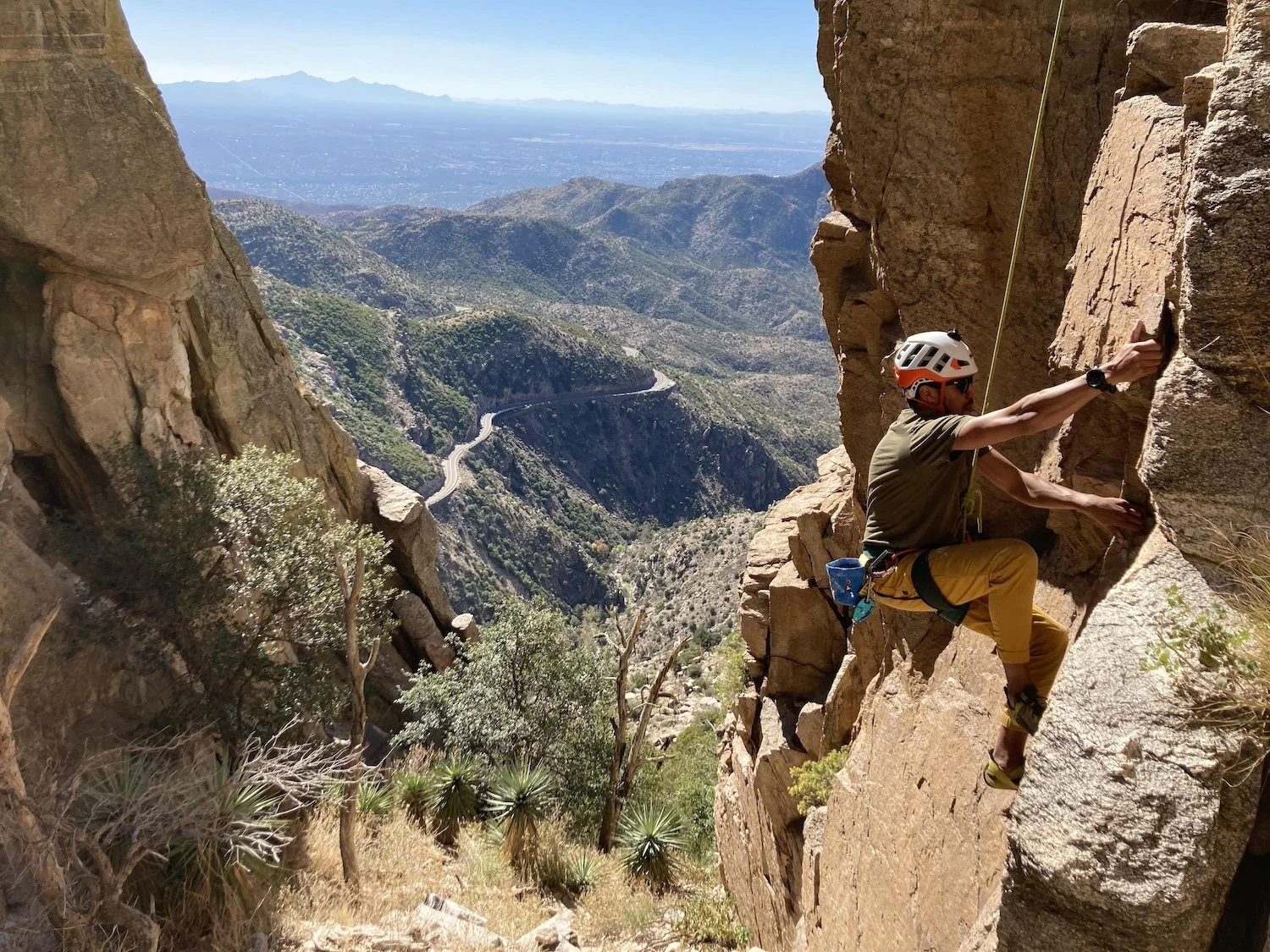
Full-Day Rock Climbing
A full-day trip gives you more time to climb, explore a wider range of routes, and work toward more ambitious goals. It is ideal for experienced climbers, gym climbers transitioning outdoors, or anyone who wants a more immersive day on Mount Lemmon.Approximately eight hours
Starting at $221 per person
Private groups of one to eight
All technical climbing equipment included
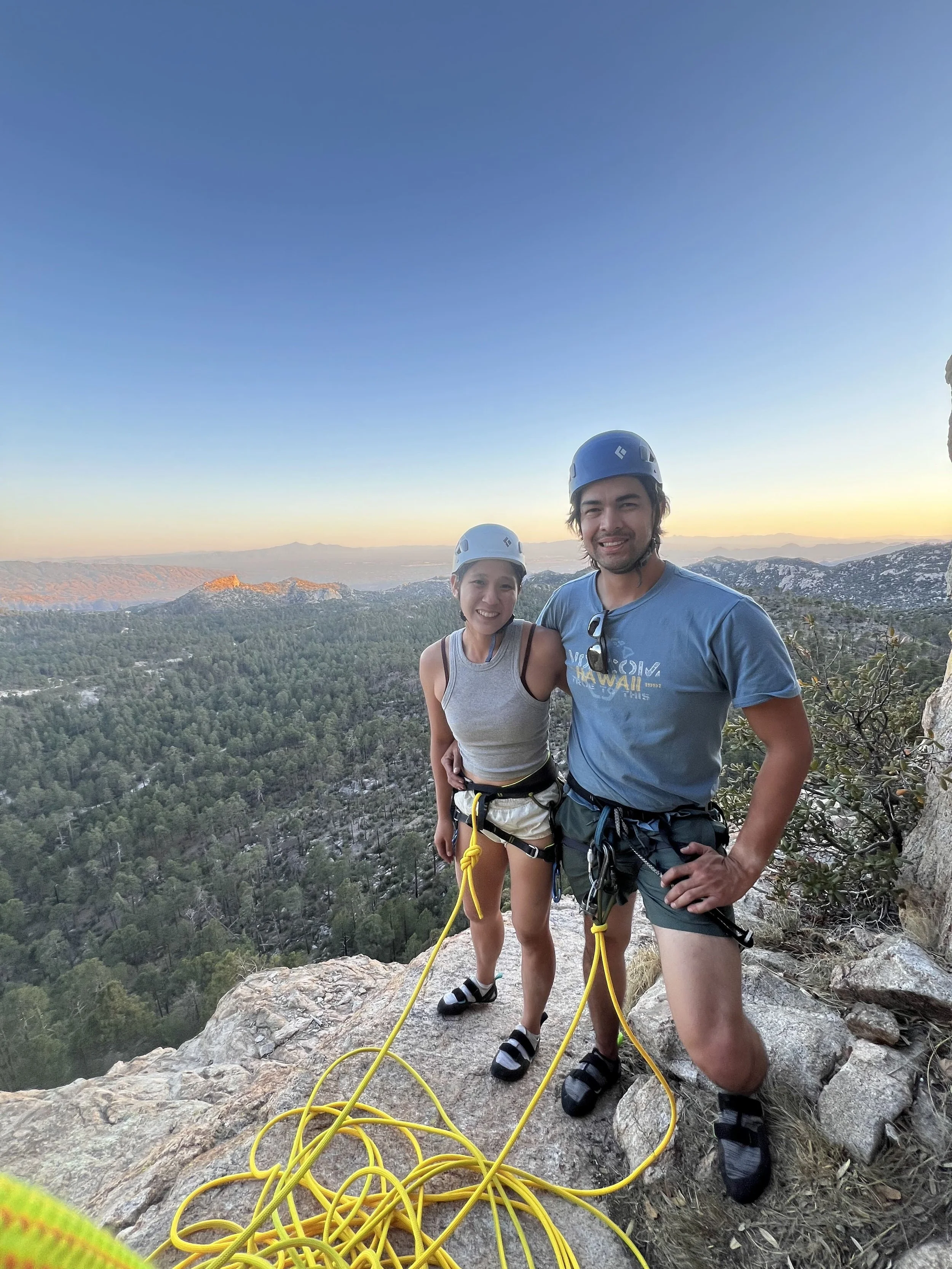
What to Expect
Meet your guide near the base of Mount Lemmon. Our typical meeting location is Le Buzz Cafe.
Drive to a climbing area selected for your group and the conditions.
Get fitted with climbing shoes, a harness and helmet.
Walk to the crag and receive an orientation.
Climb at a pace and difficulty suited to your group.
Return to the meeting location after the trip.
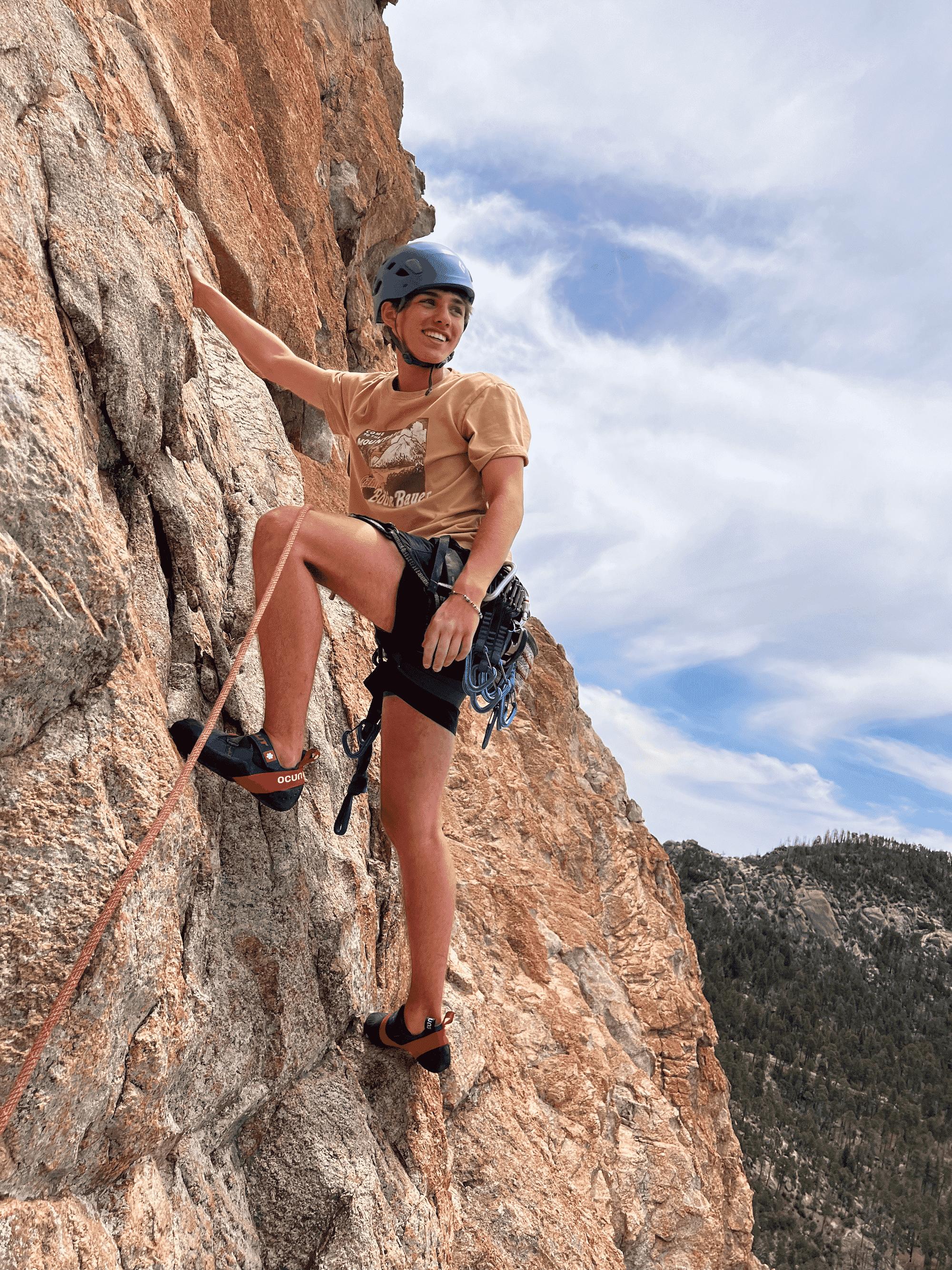
What’s Included & What to Bring
We provide everything needed for the climbing itself. You’ll just need comfortable clothing and a few personal items.
What We Provide
✓ Climbing shoes
✓ Harness and helmet
✓ Ropes and belay equipment
✓ All other technical equipment
✓ Friendly instruction
✓ Professional climbing guide
What to Bring
✓ Water
✓ Snacks or lunch
✓ Comfortable athletic clothing
✓ Closed-toe shoes for the approach
✓ Sunscreen and sun protection
✓ A warm layer appropriate for the season
Rock Climbing Reviews
★★★★★
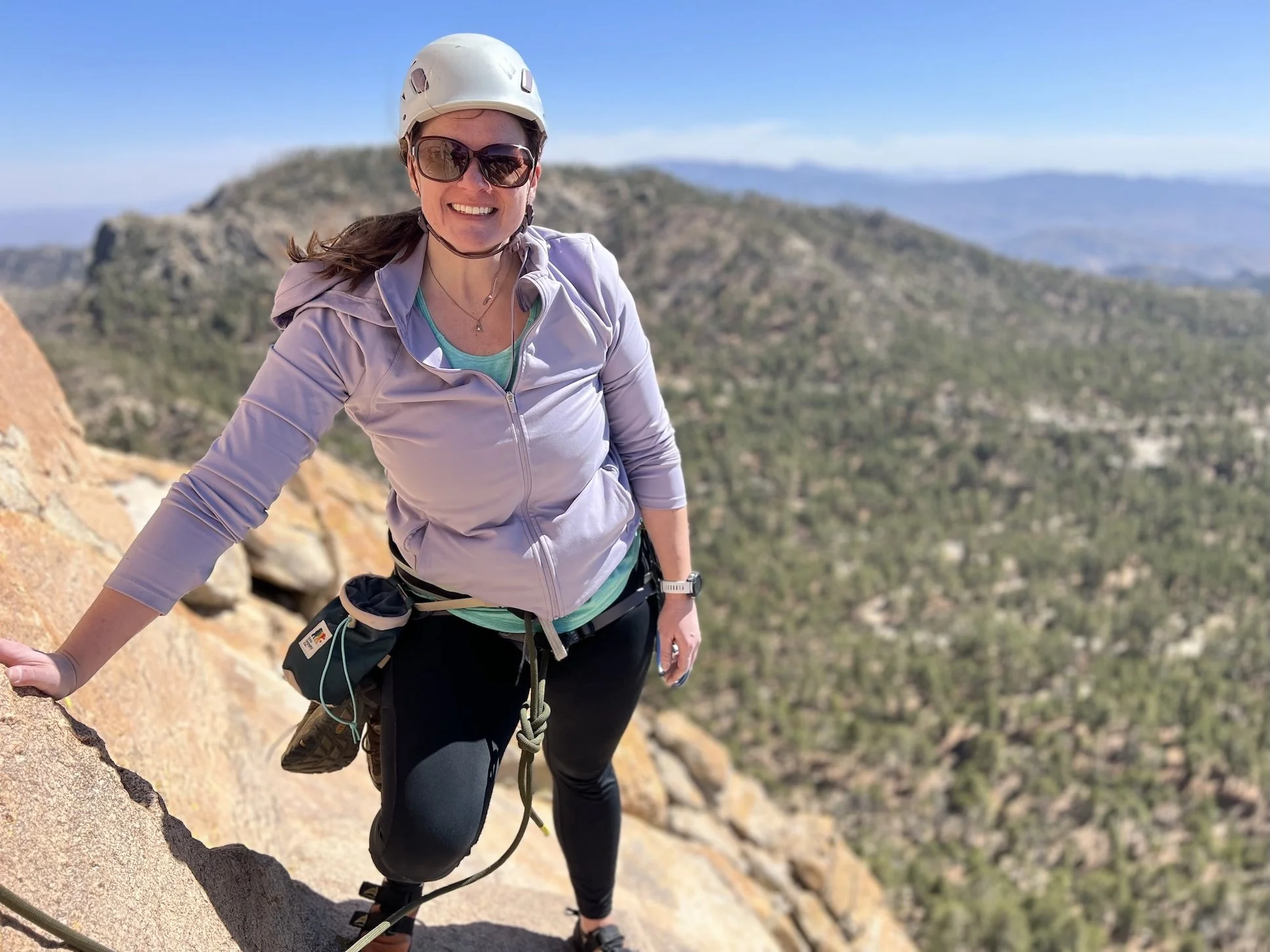
“100% worth it!! We had a fantastic time. Ben was so kind, personable, professional and made sure we had a great time. While we had experience climbing, it has been quite a while since we had climbed outdoors. Ben is such a great guide. He knew right where to take us so we had options and were able to both ease back into climbing but have access to challenging routes (including taking us up our first multi-pitch climb and teaching us how to do it!). He even took pictures and videos of us.
Booking is quick and easy; he's prompt and communicates well beforehand so you know what to expect. It's worth every penny. If you're even questioning if you should do it, you should. Just book it. You won't regret it. We will absolutely be back!”
—Mary Beth
★★★★★
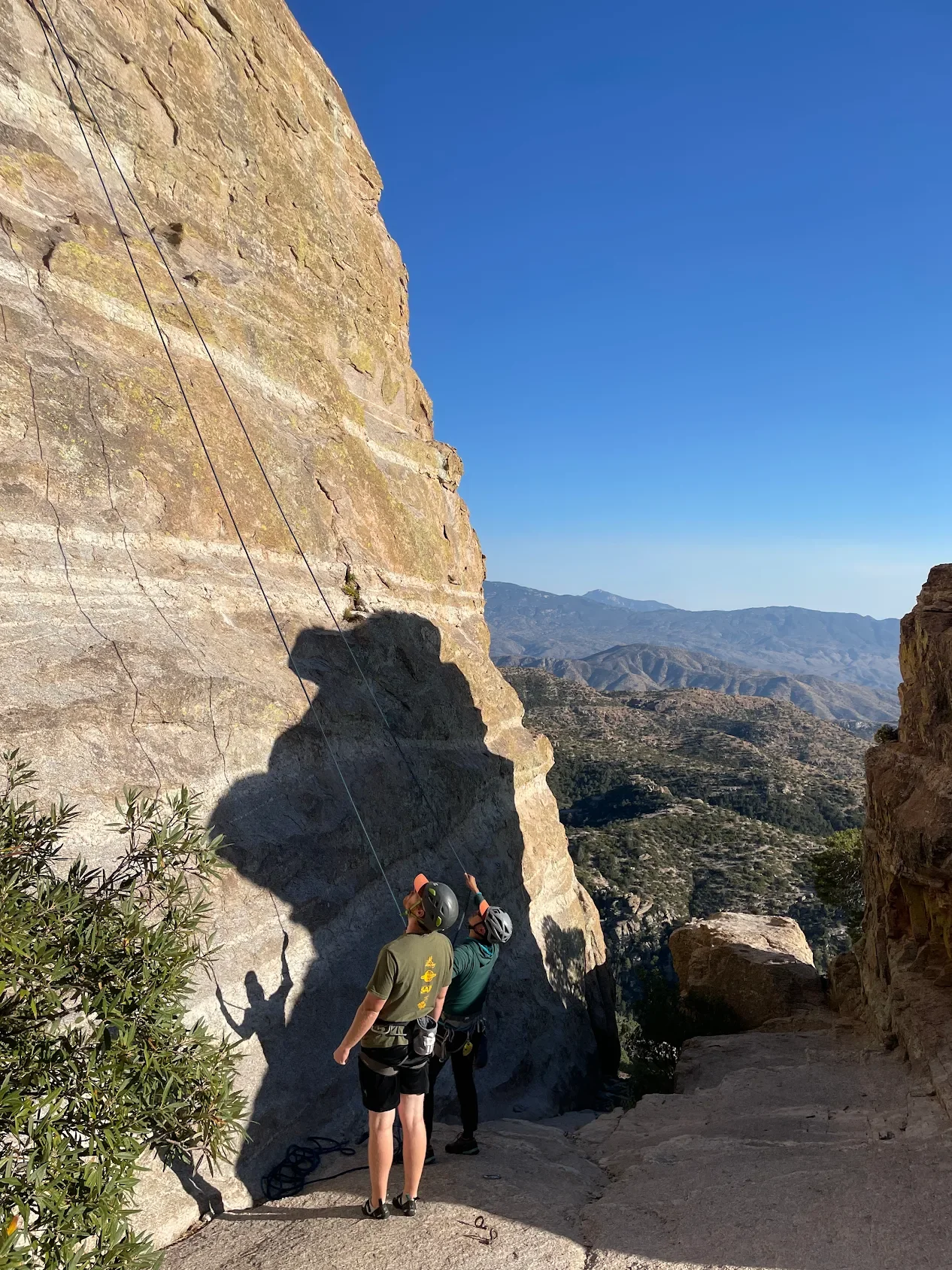
“Our guide was amazing!! My husband and I had such a blast! I’ll be honest, I’m not the best with heights but our guide helped me when I was struggling and also helped challenge my husband to push himself since he was doing so well at climbing. Great views, great people, great time!”
—Sierra
★★★★★
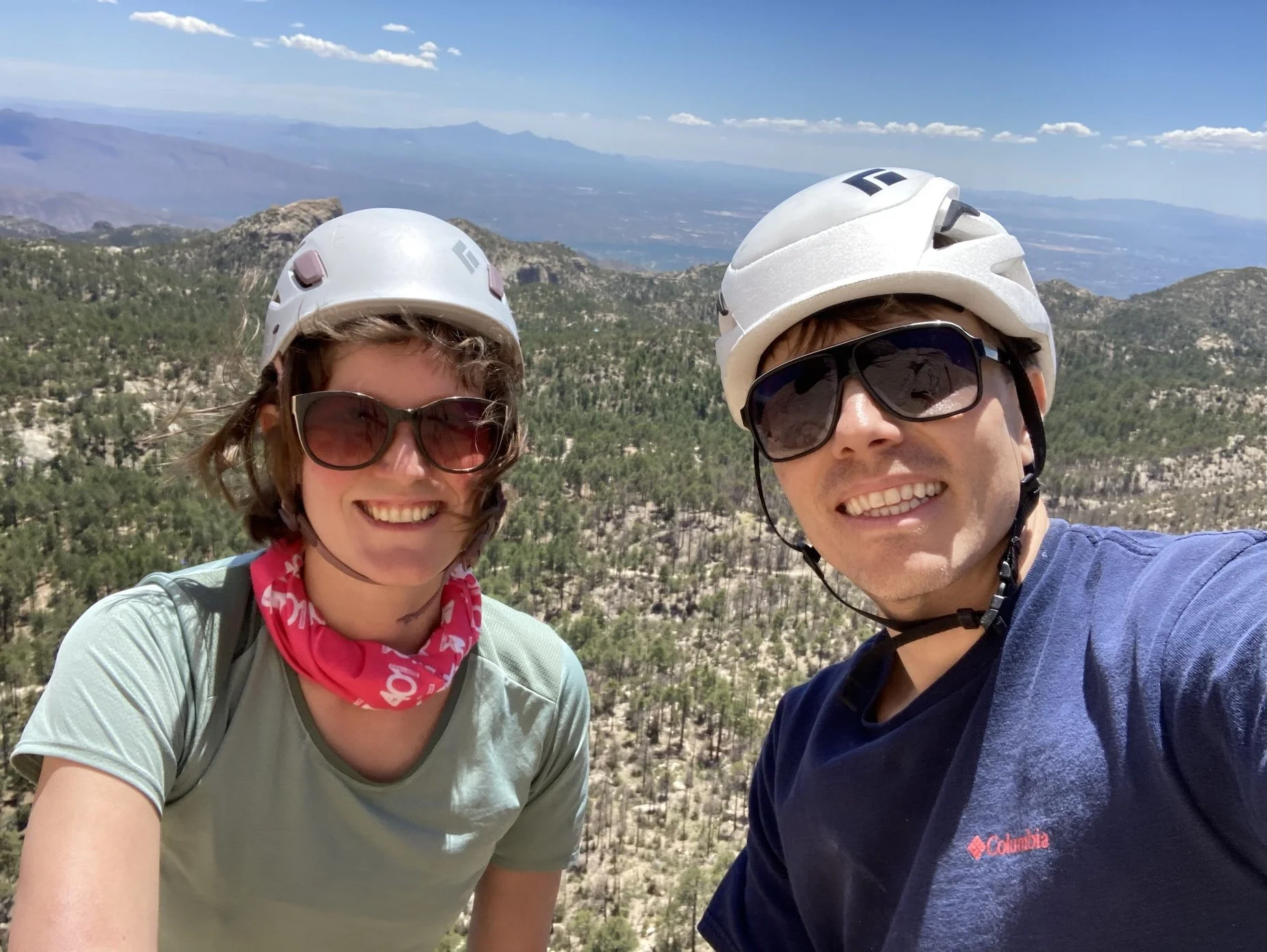
“My private guided climbing trip with Altitude Mountain Guides was one of the best things I've done in my life. Though I climb in indoor gyms on a semi-regular basis, this was my first time climbing outdoors. It's something I've always wanted to do so I had high expectations for this experience, and still it exceeded them!
My guide Ben was personable and professional; patient with me but at the same time efficient, ensuring that I could get the most out of my time on the rock. He was prompt in responding to my enquiries throughout the booking process and I felt completely at ease with him throughout the trip.
I would recommend Altitude Mountain Guides enthusiastically and without hesitation to anyone who is keen to experience rock climbing in this awesome location!”
—Philippa
Guided Rock Climbing FAQs
-
No. Many of our guests have never climbed before, and no previous experience is required. Your guide will explain the equipment, teach you the basics, and choose climbs that fit your comfort level. As you gain confidence, you can try more challenging routes at your own pace.
-
Yes. We provide climbing shoes, a harness, helmet, ropes, and all other technical climbing equipment needed for the trip. You are welcome to bring your own climbing gear if you prefer, but it is not necessary.
-
Yes. Your reservation is for your group only and we do not combine you with other guests. This allows your guide to choose the location, climbing difficulty, and pace around your group’s experience and goals.
-
Our usual minimum age is 8 years old. Rock climbing can be a great activity for families, and the routes can be adjusted for different ages and ability levels. Contact us before booking if you have questions about whether the trip will be a good fit for your child.
-
You do not need to be an experienced athlete, but you should be comfortable walking over uneven ground and participating in a moderately active outdoor experience.
Approaches and climbing difficulty vary by location, so let us know about any physical limitations when booking. We can often choose an area with a shorter approach and more accessible climbing.
-
A half-day trip is the best choice for most first-time climbers, families, and visitors with limited time in Tucson. It provides plenty of time to learn the basics and complete several climbs.
A full-day trip is better for guests who want more climbing time, more instruction, or a more ambitious objective. It is especially well suited to experienced climbers and gym climbers who want a full day outside.
-
Wear comfortable athletic clothing that allows you to move freely. Bring closed-toe shoes for the approach, water, snacks, sun protection, and an extra layer appropriate for the season. Your guide will contact you before the trip with recommendations based on the weather and climbing location.
-
Most of our guided rock climbing trips take place on Mount Lemmon in the Santa Catalina Mountains just outside Tucson. Mount Lemmon has climbing areas at a wide range of elevations, allowing us to choose a location based on the season, weather, and experience level of your group.
-
You will meet your guide near the base of Mount Lemmon before traveling to the selected climbing area. We often meet at Le Buzz Cafe on Tanque Verde Road, near the base of Mount Lemmon.
Detailed meeting instructions, timing, and directions will be provided after booking.
-
We closely monitor the weather and climbing conditions before every trip. Because Mount Lemmon has climbing areas at different elevations, we can often adjust the location to find better conditions. If the weather makes climbing unsafe, we will contact you to discuss the available options.
-
Feeling nervous is completely normal, especially on your first outdoor climb. You will be secured by the climbing system while climbing, and your guide will explain each step before you leave the ground. There is no pressure to climb higher or attempt anything beyond your comfort level.